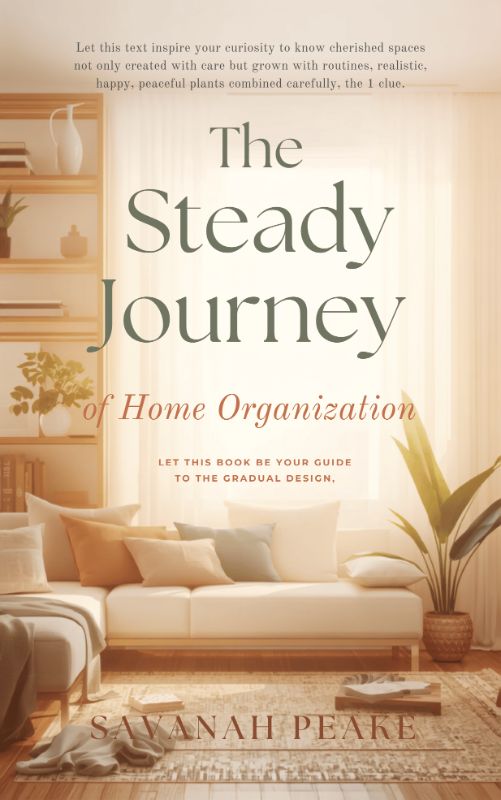
Organizing a home is much more than neatly stacking boxes or color-coding shelves. It is a transformative process that touches the very fabric of our daily lives, influencing not only how we interact with our spaces but also how we feel, think, and perform. The journey to a well-organized home is not a one-time event or a weekend project; it is a steady, ongoing evolution—a practice rooted in self-discovery, discipline, and intention. The Steady Journey of Home Organization is your comprehensive guide, crafted not only to teach you the mechanics of tidying up but also to inspire a lasting, meaningful change in how you relate to your environment.
Why Home Organization Matters
A cluttered home is rarely just about "too much stuff." It can be a symptom of overwhelmed routines, unexamined habits, or even emotional stress. Clutter can sap our energy, increase anxiety, and diminish productivity. Conversely, an organized home does not merely look appealing—it feels inviting, supports our goals, and offers a foundation for well-being.
Numerous studies have linked organized spaces to improved mental clarity, better sleep, and higher overall satisfaction with life. The process of organizing, as you will soon discover, is an act of self-care and empowerment. By taking control of our physical environments, we reclaim a sense of agency and peace.
"An organized home is not a destination. It is a dynamic, living system that adapts to your life and grows with you."
The Journey Over the Destination
Many books and television shows promise instant, dramatic transformations: a room made new in a single afternoon or a closet overhauled before dinner. Yet, these quick fixes rarely last. Real, sustainable organization is a journey—a steady progress that unfolds over time and adapts to the shifting realities of your life.
The steady journey means embracing organization as a continuous process. It is not about perfection but about progress, resilience, and learning to enjoy the small victories. This mindset shift is vital because it liberates you from the pressure to “get it all done” and instead encourages you to develop lifelong habits that support your unique needs and goals.
The Psychology of Clutter
Before you pick up a single box or label a drawer, it is essential to understand why clutter accumulates in the first place. Clutter is not simply the result of laziness or lack of discipline; it often has deep psychological roots. Sentimental attachments, guilt over waste, decision fatigue, and the sheer busyness of modern life all play a role.
Sentimental Attachments
Many people struggle to part with items that hold memories, even if the objects no longer serve a practical purpose. A faded birthday card, an old sweater, or your child’s first crayon drawing—these items become imbued with emotional significance. Part of the journey is learning to honor memories without being held hostage by them.
Decision Fatigue
In a world where our brains are bombarded with choices, making a decision about what to keep and what to let go can feel exhausting. This mental fatigue often leads to procrastination and avoidance, causing clutter to accumulate further.
The Myth of “Just in Case”
A common barrier to organization is the belief that you might need something “someday.” This mentality, while rooted in practicality, often results in homes filled with unused items. Learning to distinguish between real needs and hypothetical scenarios is a crucial skill you will develop throughout this book.
The Benefits of an Organized Home
The rewards of an organized home extend far beyond a tidy living room or an immaculate pantry. They touch every aspect of life, from relationships to work, creativity, and health. Here are just a few benefits you can expect on your journey:
Reduced Stress: A clear space fosters a clear mind. You spend less time searching for lost items and more time enjoying your home.
Increased Productivity: Organized environments support better focus, efficiency, and creativity.
Enhanced Well-Being: Physical order often translates into emotional and mental harmony.
More Time for What Matters: With systems in place, daily chores are streamlined, freeing you to pursue hobbies, connect with loved ones, or simply rest.
What to Expect in This Book
This book is not just a manual—it is a companion on your journey. It is divided into sequential chapters, each focusing on a vital aspect of home organization, from understanding your unique relationship with your possessions to creating personalized systems and overcoming common obstacles.
Each chapter offers:
In-depth explanations of the concepts underlying effective organization.
Realistic examples and case studies drawn from diverse households.
Step-by-step techniques that are flexible and adaptable.
Common pitfalls to avoid, along with practical solutions.
Reinforcement exercises to help you internalize and apply what you learn.
Who This Book Is For
Whether you are a busy professional, a parent managing a bustling household, a student living in a small space, or someone navigating a major life transition, this book is for you. Organization is not about adhering to a single rigid standard—it is about discovering what works best for your life, needs, and aspirations.
You do not need to be a “naturally organized” person or invest in expensive storage solutions to benefit from this journey. All you need is a willingness to reflect, experiment, and take steady steps forward.
The Principles of Steady Progress
Throughout this book, we will return again and again to several core principles that underpin the steady journey:
Intentionality: Organization begins with clear intentions. What do you want from your home? How do you want to feel in your space?
Consistency: Small, regular actions create lasting change. The goal is not to overhaul your home overnight, but to build habits that endure.
Adaptability: Life is unpredictable. Systems that work today may need adjustment tomorrow, and that is okay.
Self-Compassion: There will be setbacks. Progress is rarely linear. Be kind to yourself and celebrate each step forward.
Debunking Organizational Myths
Before you embark, let us dispel a few common myths:
Myth 1: Organization Means Minimalism: While minimalism is a popular trend, organization is not about owning the least amount possible. It is about curating your belongings so your home supports your life.
Myth 2: You Must Be Naturally Tidy: Organization is a skill, not an innate trait. Anyone can learn and improve with the right tools and mindset.
Myth 3: You Need Expensive Products: While organizational products can help, the foundation of an organized home is thoughtful systems and behaviors, not gadgets or containers.
Myth 4: Once Organized, You’re Done: As life changes, so will your organizational needs. The journey is ongoing, not a one-time event.
Creating a Vision for Your Home
As you prepare to embark on this journey, take a moment to imagine your ideal home. Not the home in a magazine or on a television show, but your home—one that reflects your values, supports your routines, and brings you joy.
Exercise: Close your eyes and picture a typical day in your perfectly organized home. What do you see? How do you feel? What activities are easy and effortless? Write down your vision and keep it handy. This vision will be your north star as you work through the chapters ahead.
Overcoming the Fear of Starting
For many, the hardest part of organizing is getting started. The sheer scale of the project can feel overwhelming, leading to inertia and frustration. This book will guide you through breaking down large tasks into manageable steps, setting realistic goals, and building momentum.
Remember, you are not alone on this journey. Countless others have transformed their homes and lives by taking steady, purposeful steps. With each chapter, you will gain the knowledge, confidence, and motivation to move forward.
The Road Ahead
In the chapters that follow, we will explore:
The foundations of home organization and how to assess your current state.
Methods for decluttering with compassion and purpose.
Strategies to create and maintain effective organizational systems.
Room-by-room guides for tackling specific spaces.
Solutions for unique challenges, from shared households to small apartments.
Tools for cultivating habits and routines that ensure lasting results.
By the end of this book, you will not only understand the principles of home organization but also possess the mindset and skills to sustain it. Most importantly, you will have discovered that the journey to an organized home is also a journey toward greater self-awareness, intentionality, and fulfillment.
Take a deep breath, open your mind, and let us begin The Steady Journey of Home Organization together. Your home—and your life—are about to change in profound and lasting ways.
The Steady Journey of Home Organization by Savanah Peake | eBookMarket Library