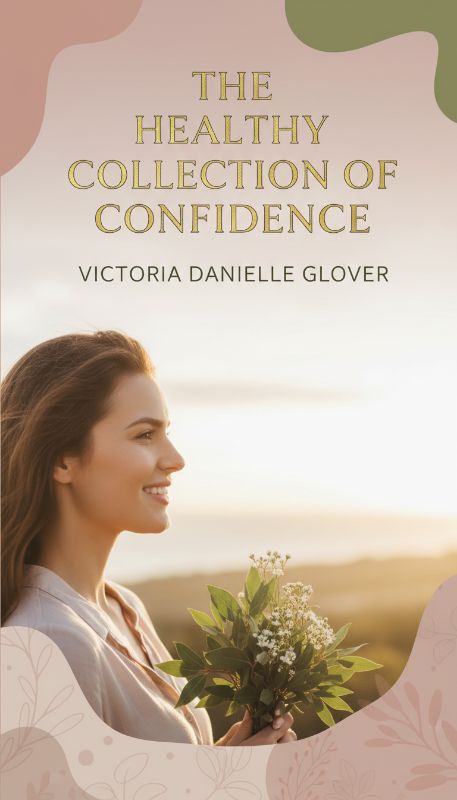
Confidence. A word so simple, yet so profound in impact. It’s a trait universally admired, quietly coveted, and, often, deeply misunderstood. The journey to genuine self-assurance is not a straight line, nor is it a single revelation. Instead, confidence is a collection—an ever-evolving set of beliefs, experiences, and habits that together form the backbone of our lives. Welcome to The Healthy Collection of Confidence, a comprehensive exploration designed to empower, enlighten, and transform your understanding of what it means to be confident in today’s complex world.
The Myth of Innate Confidence
Let’s begin by dispelling a common myth: confidence is not something you either have or don’t have. Too often, society paints confidence as an innate characteristic—something bestowed upon a select few from birth, like an inborn talent or a genetic gift. This misconception is not only discouraging but fundamentally untrue. Scientific research, psychological studies, and countless personal stories all point to the same truth: confidence is cultivated, not inherited.
Confidence comes in many forms. For some, it’s the ability to speak up in a crowded room; for others, it’s the quiet resilience to keep going in the face of adversity. It’s the artist daring to display their work, the entrepreneur risking failure for a dream, the parent navigating uncertainty for their child. Confidence is contextual—it grows, shrinks, and transforms based on environment, experiences, and personal history.
This book is built on the premise that confidence is healthy when it is balanced, authentic, and sustainable. It is not brash arrogance or reckless bravado. Nor is it the absence of fear, doubt, or vulnerability. Instead, healthy confidence is rooted in self-awareness, reinforced by small victories, and strengthened by ongoing growth.
Why Confidence Matters
Why dedicate an entire book to confidence? Because its influence stretches into every corner of our lives:
Career Advancement: Confident people are more likely to pursue opportunities, advocate for themselves, and exhibit leadership.
Relationship Health: Confidence enables honest communication, deeper intimacy, and the ability to set healthy boundaries.
Personal Well-being: Self-assurance helps manage stress, combat anxiety, and foster resilience in the face of setbacks.
Learning and Growth: Confidence encourages risk-taking in learning, openness to feedback, and greater curiosity.
Tip: The first step toward building confidence is recognizing where it already shows up in your life, no matter how small. Celebrate those moments.
What to Expect in This Book
The Healthy Collection of Confidence is not a quick-fix guide or a list of shallow platitudes. Instead, it is an immersive guide grounded in research, enriched by real-life stories, and shaped by practical, actionable methods. This book is structured to walk you through every aspect of confidence—starting from the basics and gradually delving into more nuanced and advanced topics.
You will discover:
The science behind confidence: how our brains, bodies, and social environments shape our sense of self
Common myths and misconceptions that may be holding you back
Practical strategies for building and maintaining confidence in different areas of life
Tools for overcoming self-doubt, imposter syndrome, and fear of failure
Exercises, case studies, and reflection prompts to reinforce learning and catalyze change
Each chapter stands alone, yet together they create a robust framework—a collection of wisdom and tools that you can revisit whenever needed.
Confidence in Context: Personal, Social, and Professional
It’s important to acknowledge that confidence is not a “one-size-fits-all” phenomenon. What works in a professional context might not translate seamlessly to personal relationships or creative pursuits. This book will explore confidence through various lenses:
Personal Confidence: Exploring self-worth, self-acceptance, body image, and emotional intelligence.
Social Confidence: Navigating friendships, romantic relationships, networking, and social anxiety.
Professional Confidence: Public speaking, leadership, decision-making, and career transitions.
By contextualizing confidence, you’ll gain clarity on where your strengths lie and which areas need cultivation.
The Role of Vulnerability
A recurring theme in this book is the interplay between confidence and vulnerability. Contrary to popular belief, true confidence isn’t about being impervious to criticism or immune to self-doubt. Rather, it’s about embracing vulnerability—acknowledging fears and limitations, and moving forward anyway.
Reminder: Vulnerability is not a weakness; it is the foundation upon which healthy confidence is built.
The Confidence Trap: Avoiding Pitfalls
Just as a lack of confidence can undermine success and happiness, overconfidence and false bravado can be equally destructive. The book will address common pitfalls, such as:
Mistaking arrogance for confidence
Ignoring constructive criticism
Overestimating abilities and underpreparing
Relying on external validation
By learning to recognize and avoid these traps, you’ll cultivate a confidence that is both grounded and adaptive.
Building Your Healthy Collection
Think of confidence as a collection—a carefully curated set of beliefs, skills, and habits. Each new experience, each challenge overcome, and each lesson learned adds to this collection. Some items may be worn and familiar; others, shiny and new. Over time, your collection grows richer, more diverse, and uniquely yours.
You will be invited to:
Reflect: Journaling prompts and self-assessment tools will help you identify strengths and growth areas.
Practice: Each chapter features actionable exercises designed to reinforce concepts.
Apply: Real-life case studies illustrate how strategies work in practice.
Revisit: As you evolve, return to these pages to refresh your skills and perspective.
Tip: Keep a “confidence journal” as you go through this book. Track your progress, insights, and challenges—it will become your personal record of growth.
Who Is This Book For?
Anyone seeking personal growth: Whether you struggle with self-doubt or simply want to fine-tune your self-assurance, this book offers value.
Professionals aiming for advancement: If you wish to lead, influence, or communicate more effectively, you’ll find targeted strategies here.
Students and learners: For those facing new environments, unknown challenges, or academic pressure, confidence is a vital tool.
Parents, educators, and leaders: Learn how to nurture confidence in others as well as yourself.
There is no prerequisite for reading this book—only a willingness to engage, reflect, and challenge old patterns.
The Scientific Backbone: Confidence and the Brain
Modern neuroscience reveals that confidence is not just a “feeling” but a constellation of processes involving the prefrontal cortex, amygdala, and reward pathways in the brain. Our beliefs about ourselves influence the way we perceive threats, evaluate risks, and interpret success or failure. This book integrates the latest research, translating complex science into practical insights.
For example, studies show that self-efficacy—the belief in one’s ability to succeed—can be strengthened through intentional practice and positive reinforcement. Neuroplasticity ensures that our brains remain adaptable, capable of rewiring old thought patterns and building new ones well into adulthood.
A Note on Diversity and Inclusion
Confidence is shaped by culture, gender, race, socioeconomic status, and lived experiences. What boosts confidence for one individual may not work for another. Throughout this book, diverse perspectives and experiences are honored and represented. The aim is to provide a broad, inclusive framework that respects your unique context.
Your Journey Begins Here
As you open the first page of this book, you’re making an investment—in yourself, your future, and your capacity to lead a fuller, more authentic life. The tools and stories you’ll encounter are not theoretical abstractions, but practical blueprints for real change.
Remember, the path to healthy confidence is not linear. There will be setbacks, doubts, and moments of discomfort. But with every step, your collection grows—a testament to your courage, resilience, and determination.
Reminder: Confidence is not a destination. It is a journey—a collection of choices, actions, and beliefs you build and refine every day.
Let’s embark, together, on this transformative journey to unlock, nurture, and celebrate the healthiest, most authentic confidence within you.
The Healthy Collection of Confidence by Victoria Danielle Glover | eBookMarket Library